
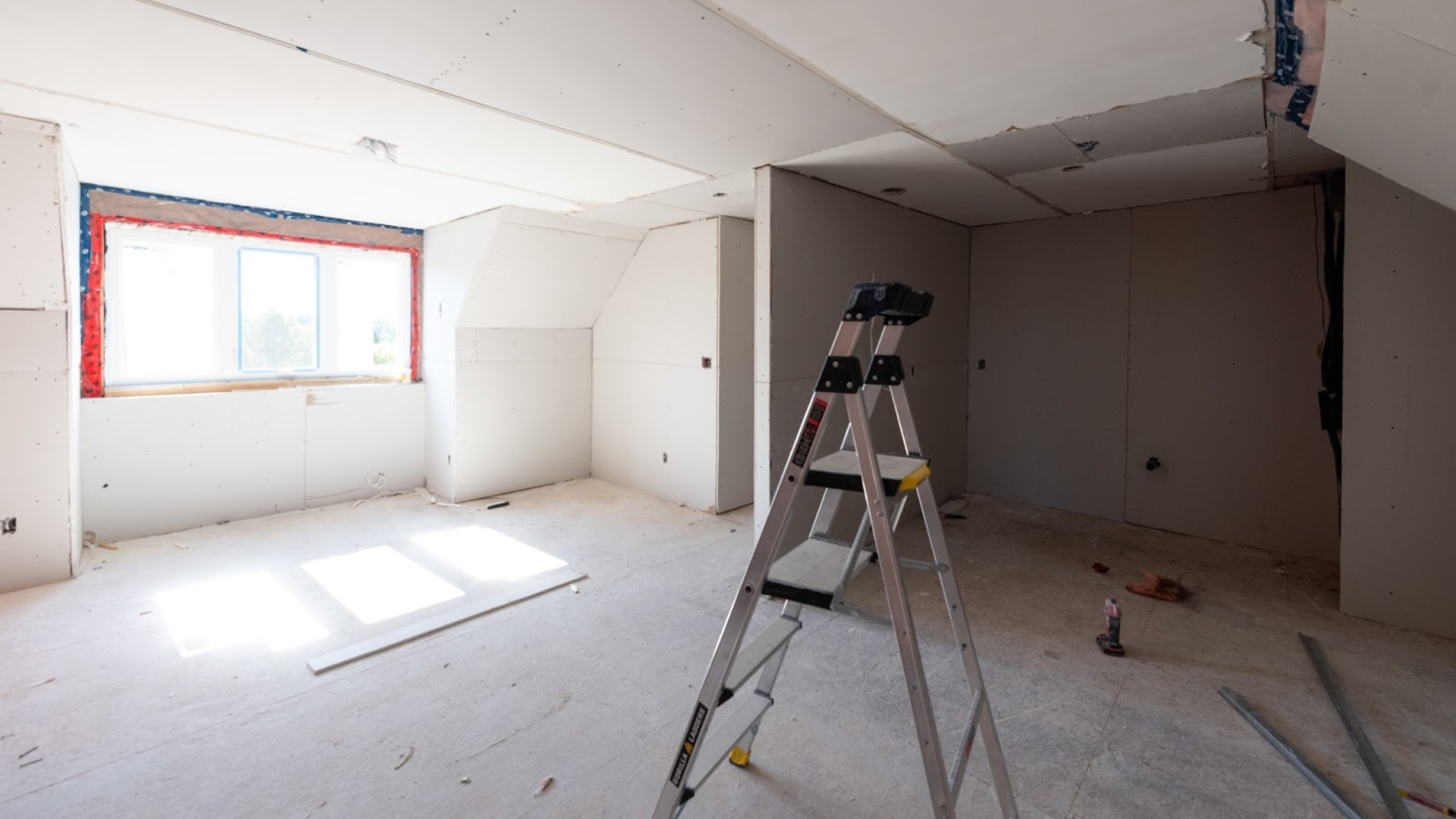
Modular & Prefabrication for Faster Delivery
Our Approach
How Modular Works
Factory production and on-site assembly work in parallel, delivering buildings faster, cleaner, and with higher quality control.
Phase 01
Factory Production
Modules are built in a controlled factory environment while site preparation happens simultaneously. This parallel workflow is the key to schedule compression.
Precision Manufacturing
CNC-cut components and jig-built assemblies ensure millimeter accuracy across every module.
Weather-Independent
No rain delays, no seasonal shutdowns. Production continues year-round in climate-controlled facilities.
Integrated QA/QC
Multi-point inspections at each production stage, with full traceability documentation.
Minimal Waste
Factory production reduces material waste by up to 90% compared to traditional site-built methods.
Phase 02
On-Site Assembly
Once modules arrive, crane-set operations position them with precision. Connections, utilities, and finishes are completed rapidly on site.
Site Preparation
Foundations and utility connections are prepared concurrently with factory production.
Modules are lifted and placed with surveyed precision, typically setting multiple modules per day.
Utility Connections
Pre-routed MEP systems snap together between modules, drastically reducing on-site trade hours.
Final Finishes
Interior and exterior finishing touches complete the building envelope and prepare for occupancy.
Schedule Advantage
Timeline Compression
Modular construction overlaps factory production with site preparation, compressing your project schedule by 30–50% compared to traditional methods.
Traditional Build
Modular Build
30–50%
Faster Delivery
80%
Less On-Site Labour
90%
Waste Reduction
Ideal Applications
Best Fits for Modular
Modular construction excels in projects that demand speed, repeatability, and minimal site disruption.
Multi-Unit Residential
Apartments, condominiums, and multi-family housing with repeatable unit layouts that maximize factory efficiency and minimize per-unit costs.
Affordable Housing
Cost-effective modular solutions for community and government housing initiatives. Faster occupancy timelines help address housing shortages at scale.
Hospitality
Hotels and short-stay accommodations benefit from modular’s identical room configurations, fast deployment, and revenue-generating speed to market.
Healthcare
Clinics, patient rooms, and medical facilities that require stringent cleanliness during construction and rapid deployment for urgent community needs.
Educational Facilities
Classrooms, dormitories, and campus buildings that need to be operational before the next academic year without disrupting existing campus operations.
Commercial & Office
Office buildings, retail spaces, and mixed-use developments where reduced construction timelines translate directly into earlier revenue generation.
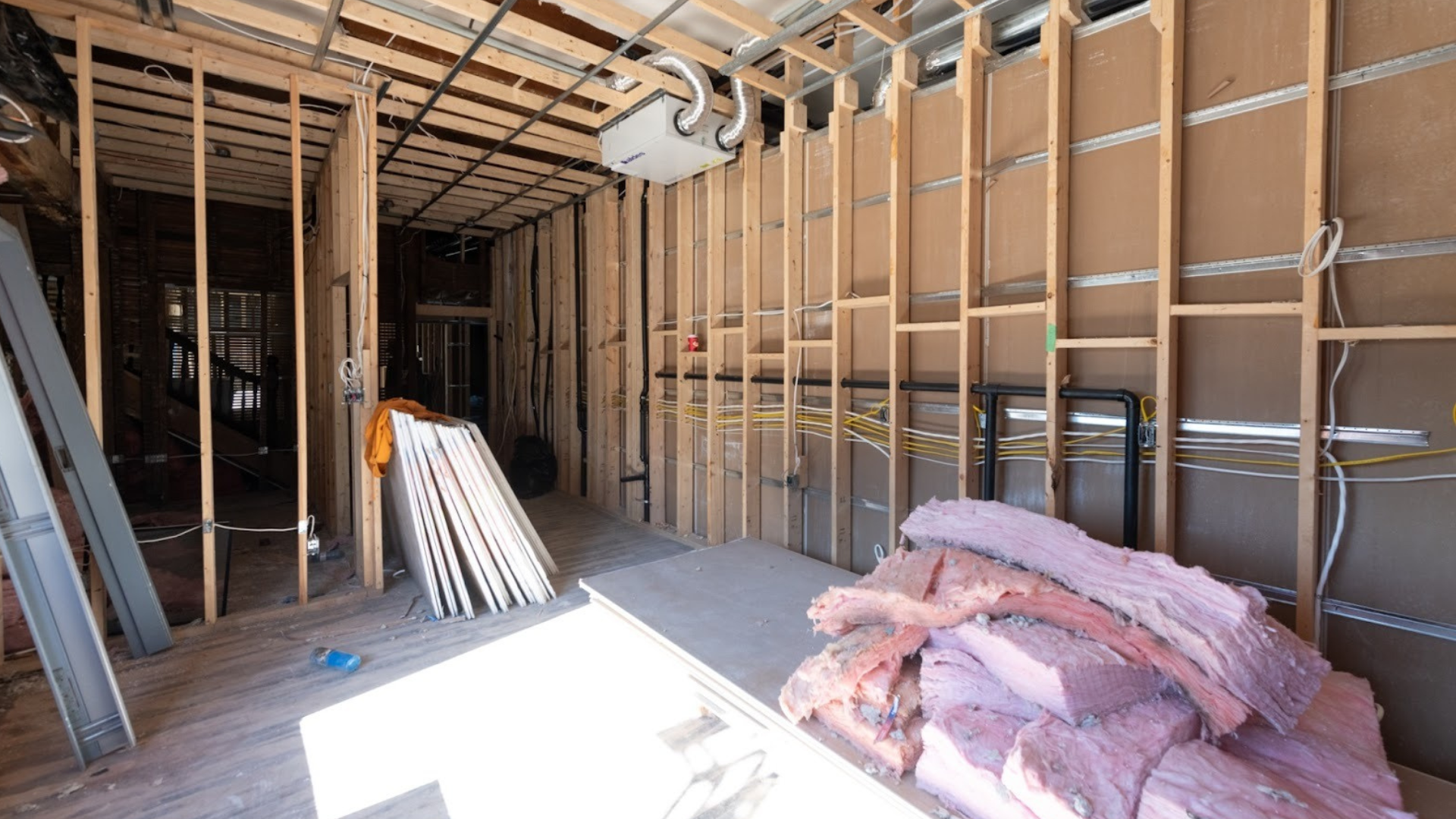
Standards & Assurance
Quality & Compliance
Factory-controlled construction environments enable a level of quality assurance impossible to achieve on a traditional job site. Every module undergoes rigorous inspection before leaving the factory floor.
Factory QA/QC Protocols
Multi-stage quality gates at framing, MEP rough-in, insulation, and finish. Digital tracking ensures nothing is missed.
Building Code Compliance
All modules are designed and manufactured to meet Ontario Building Code (OBC) and National Building Code of Canada (NBC) requirements.
Third-Party Inspections
Independent inspection agencies verify structural, electrical, plumbing, and fire-safety compliance before modules ship.
Transport & Set Coordination
Route planning, over-dimensional permitting, crane logistics, and precision placement coordinated as a turnkey service.
The Journey
Factory to Site to Finish
Follow the modular construction process from controlled factory production through transportation and crane set to the completed building.
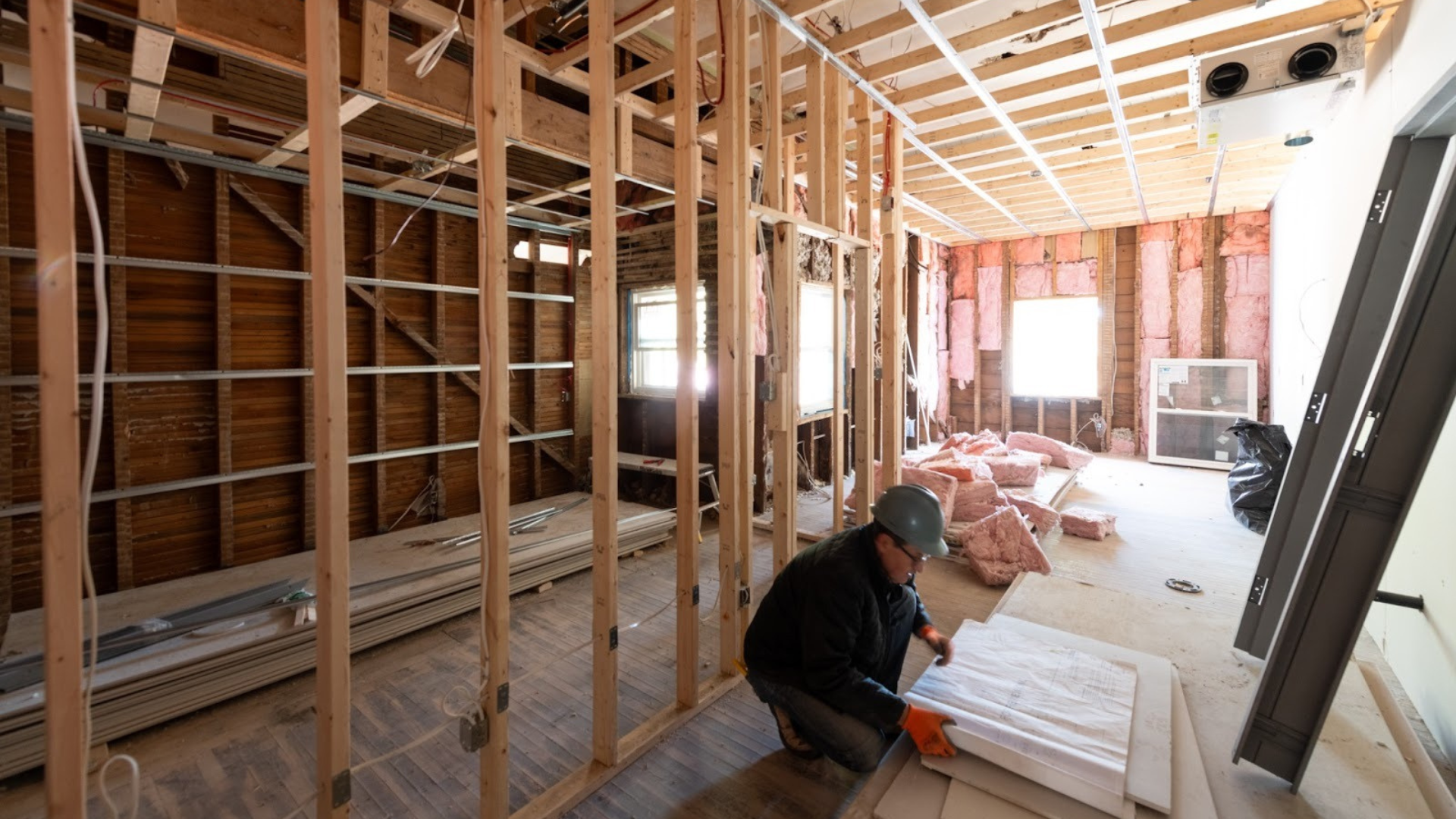
Factory Production
Modules built under controlled conditions with integrated MEP, insulation, and interior finishes.
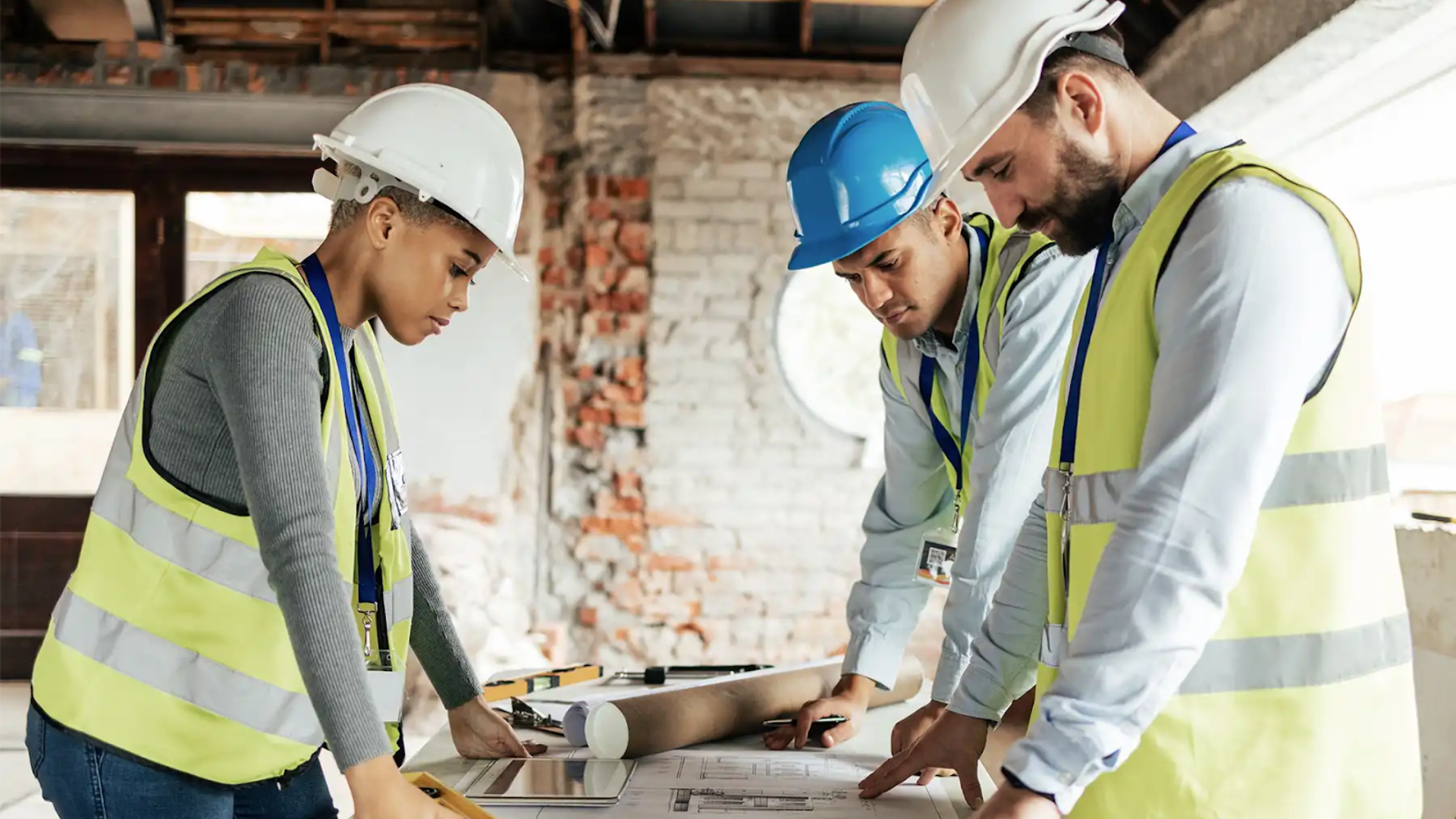
Transportation & Crane Set
Modules transported and precisely placed by crane, with multiple sets completed per day.
Finished Building
Indistinguishable from traditional construction. Modern, code-compliant, and ready for occupancy.
See It In Action
Modular Construction Process
Watch how modular and prefabricated components come together to deliver projects faster, with less waste and greater precision.
Common Questions
Modular FAQ
Modular construction involves building complete volumetric units (rooms or sections) in a factory, then transporting and assembling them on site. Prefabrication is a broader term that includes any component manufactured off-site—wall panels, floor cassettes, roof trusses, and bathroom pods. At Festbau, we leverage both approaches depending on your project’s scope and complexity, optimizing for schedule compression and cost efficiency.
Absolutely. Modular buildings are designed to the same structural codes and standards as traditional construction—including the Ontario Building Code and National Building Code of Canada. In fact, modules must also withstand transportation stresses, which means they are often engineered to be more robust than site-built equivalents. The factory environment also ensures tighter quality control on connections, insulation, and weatherproofing.
Most projects see a 30–50% reduction in overall project duration compared to traditional construction. The primary savings come from overlapping factory production with on-site preparation work. While foundations and utilities are being installed on site, modules are simultaneously being built in the factory. This parallel-path approach can save months, depending on project scale.
Yes. Modern modular construction is highly flexible. While modules follow standardized dimensional constraints for transport, the interior layouts, finishes, facade treatments, and building configurations are fully customizable. Festbau works closely with architects and designers to ensure the final product matches your vision. From luxury hotel rooms to clinical healthcare spaces, modular can accommodate a wide range of finishes and specifications.
Once factory production and inspection are complete, modules are wrapped and secured for transport. Our logistics team manages route planning, over-dimensional load permits, police escorts where required, and delivery sequencing. On site, a crane lifts each module onto prepared foundations using pre-surveyed coordinates. Typical set rates are 4–8 modules per day. After placement, our crews connect structural ties, MEP systems, and complete weatherproofing and finish work at module interfaces.
Ready to Explore
Modular for
Your Project?
Speak with our modular specialists to discover how prefabrication can compress your schedule, reduce costs, and deliver higher quality results.